laboratory information system (LIS)
What is a laboratory information system (LIS)?
A laboratory information system (LIS) is computer software that processes, stores and manages data from patient medical processes and tests.
Physicians and lab technicians use laboratory information systems to coordinate inpatient, outpatient and point-of-care medical testing. They can assist during sample creation, testing and reporting. All laboratory tests benefit from using an LIS including hematology, chemistry, immunology and microbiology. Basic laboratory information systems commonly have features that manage patient check in, order entry, specimen processing, result entry and patient demographics. An LIS tracks and stores clinical details about a patient during a lab visit and keeps the information stored in its database for future reference.
The electronic data capture process of an LIS can reduce time spent and reduce errors. They can produce labels for specimens, track the specimen during transport and testing, associate test results with patient medical records and manage test billing.
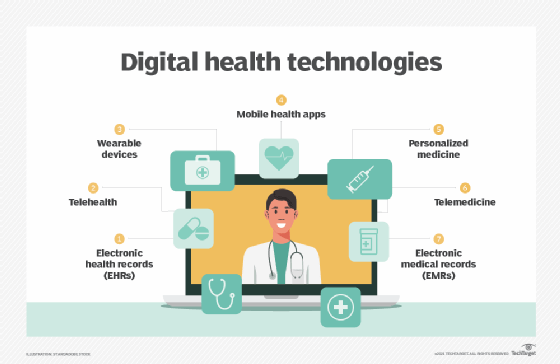
Maintenance of laboratory information systems took on added importance with the introduction of the meaningful use program. The program is overseen by the Centers for Medicare and Medicaid Services and consists of sets of criteria split into stage 1, stage 2 and stage 3. Participating healthcare providers that successfully prove their electronic health record (EHR) systems or EHR modules -- such as an LIS -- satisfy program criteria are eligible for incentive payments. If an LIS is tested and certified to meet meaningful use criteria or other health IT certification standards, it is defined as an EHR module.
Some meaningful use reporting measures that could involve an LIS include the electronic submission of lab test results to public health agencies and the incorporation of clinical lab test results into a certified EHR system.
Because they handle medical records, a LIS might be subject to additional laws and regulations. For example, in the United States they need to comply with HIPAA laws as laboratory results are considered protected health information (PHI).
What are laboratory information management systems?
A closely related technology to a LIS is a laboratory information management system (LIMS). An LIS is a healthcare system that holds patient clinical data. By comparison, an LIMS can be deployed in healthcare, too, but it is also used in nonmedical laboratory settings. This might include environmental testing laboratories, pharmaceutical laboratories, food safety, and water treatment plants. The functionality of an LIS and LIMS now largely overlap, and many tools are interchangeable for each use.
An LIMS can be used as a web tool or be installed on a personal computer. It stores and manages captured data, as well as produces reports from that data.
Capabilities of an LIMS is as follows:
- Sample collection and tracking. An LIMS can capture data during sample collection such as time and notes from the technician. It often produces and scans barcode labels on sample containers.
- Test allocation and scheduling. An LIMS assigns samples to testing equipment and technicians. It can account for test duration and equipment capabilities.
- Data collection. An LIMS' data collection capabilities include automatic ingesting of data from test equipment and manual data entry.
- Test validation. An LIMS' test validation includes test equipment calibration and certification data and flagging of anomalous results that might require retesting.
- Data reporting. An LIMS report provides results to other systems or produces reports and charts based on collected data.
- Data archiving. An LIMS provides safe storage of data according to data retention policies for data archiving purposes.
Electronic health record data can aid clinical informatics research through streamlined clinical trial recruitment, public health surveillance and health IT analytics. Explore the role EHR data plays in clinical informatics.